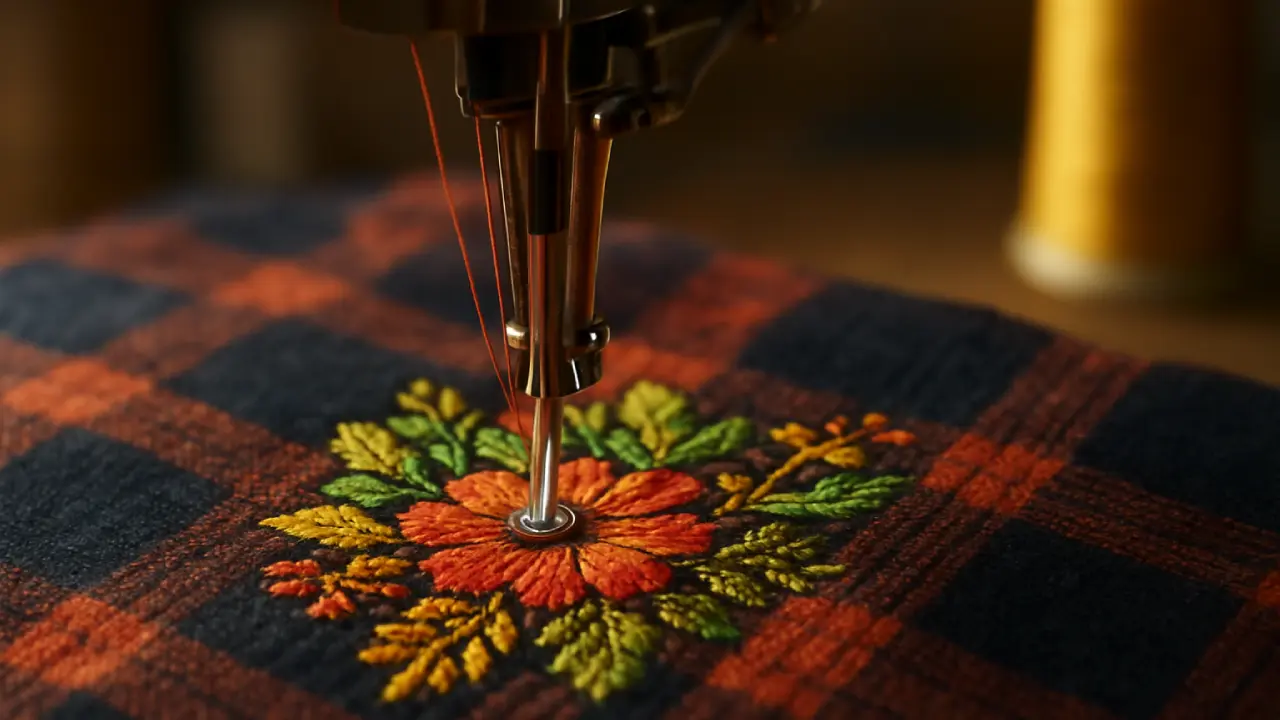
Digitizing is the process of converting information, artwork, or physical designs into a digital format that can be read, edited, and used by a computer.
In the context of embroidery, mapping, or graphics, digitizing can mean slightly different things — but the core idea is turning something non-digital into a computer-readable form.
Kinds (Types) of Digitizing
Embroidery comes in many styles, techniques, and cultural variations. Here’s a clear overview of the main kinds of embroidery, grouped by their method and origin:
Surface Embroidery
This is the most common type—stitches are worked on top of the fabric rather than through it.
Stumpwork – raised embroidery that creates 3D effects using padding and wire.
Cross-Stitch – X-shaped stitches form images or patterns.
Blockwork – traditionally black thread geometric or floral patterns on white fabric.
Appliqué – fabric pieces are sewn onto a base fabric and decorated with embroidery (e.g., Kantha appliqué, quilt work).
Software for Digitizing
Here are examples of digitizing software by category: